
Dump Trailer Repair in Oakville and Halton Region
Reliable Dump Trailer Repairs in Oakville
A malfunctioning hydraulic lift, damaged tailgate, or faulty brakes can bring your work to a standstill. For contractors, landscapers, and commercial operators, a dependable trailer is essential for transporting materials and completing jobs efficiently. Addressing problems early helps protect your equipment, maintain safe operation, and avoid further damage.
NMT in Oakville offers automotive service and repair solutions for work vehicles. If your dump trailer has structural damage, hydraulic faults, or worn running gear, arranging an assessment is an important first step. The right repair approach depends on the affected components, the extent of the damage, and the trailer’s safety requirements.
Do not let trailer problems disrupt your next job. Call (905) 845-0770 or email info@nmtoakville.com to discuss your concerns and determine the appropriate next steps.
Common Dump Trailer Repair Needs
Hydraulic Lift and Dump Truck Box Repairs
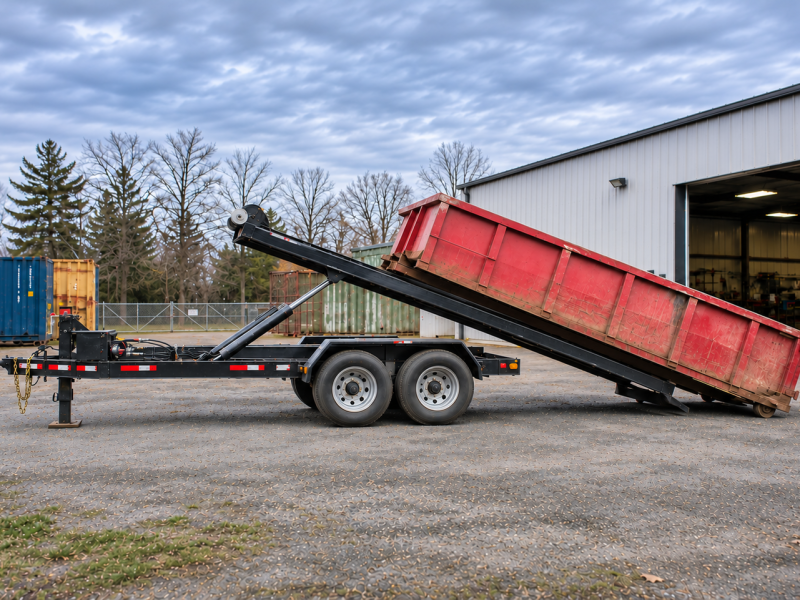
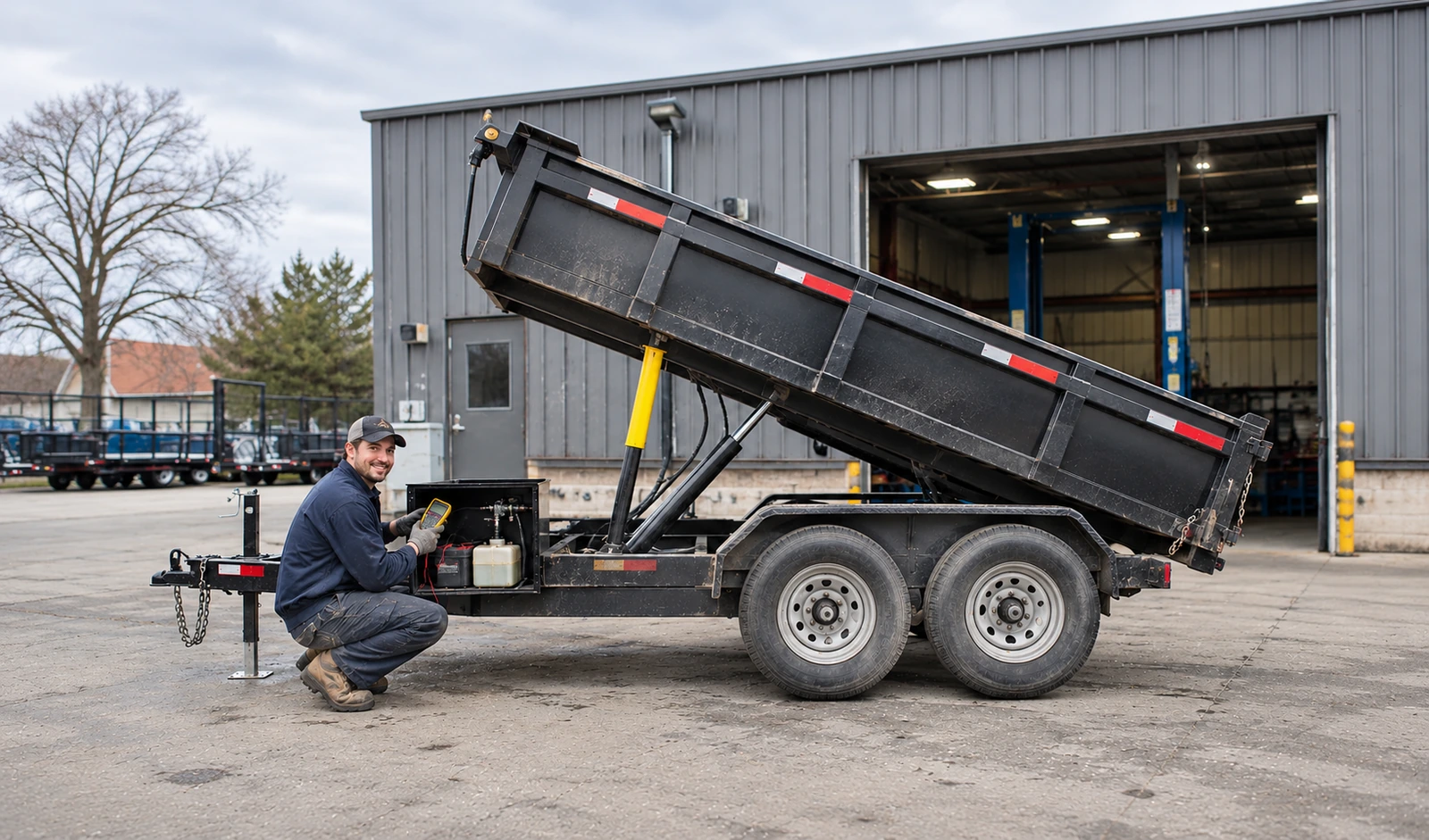
A hydraulic fault can prevent the dump truck box from lifting, cause uneven movement, or interfere with controlled unloading. Leaking fluid, damaged hoses, worn cylinder seals, and pump issues can all contribute to performance problems.
An inspection may involve checking hydraulic cylinders, hoses, fittings, fluid levels, electrical connections, and cylinder mounts. Depending on the findings, individual components may be repairable, or replacement may be necessary.
Structural damage also deserves attention. Cracked welds, corroded floor panels, bent tailgates, and damaged crossmembers can affect loading and unloading. A careful assessment helps establish whether targeted welding, reinforcement, or component replacement is appropriate.
Brake, Axle, and Suspension Repairs
Heavy loads place significant stress on brakes, bearings, suspension components, and axles. Uneven tire wear, excessive sway, pulling to one side, or unusual noises may indicate a developing issue.
During dump trailer repairs, relevant checks may include:
- Inspecting electric brakes, magnets, and brake shoes.
- Examining wheel bearings, hubs, and axle alignment.
- Checking leaf springs, shackles, and suspension bushings.
- Assessing tires for visible wear and damage.
Addressing these concerns helps support stable towing and dependable stopping performance. If your trailer shows signs of brake failure or serious instability, avoid towing it until a safe transport option has been arranged.
Electrical and Lighting Repairs
Faulty brake lights, corroded connectors, damaged wiring, and failed marker lights can compromise road safety. Electrical inspections may involve testing connections, examining wiring beneath the dump truck box, and checking lamps, reflectors, and breakaway systems.
Lighting and safety equipment should meet applicable Ontario requirements. Prompt attention to electrical faults can help prevent minor issues from becoming more disruptive and ensure essential systems function as intended.
Frame, Tailgate, and Structural Repairs
Repeated loading, road vibration, moisture, and winter road salt can contribute to corrosion and structural fatigue. Cracked hoist mounts, rusted frame sections, damaged hinges, and loose tailgate latches should not be overlooked.
Assessing the frame and dump truck box helps identify whether targeted repairs or component replacement may be suitable. Damage affecting load-bearing areas requires particular care because it can compromise the trailer’s structural integrity.
Learn more about NMT’s available service and repair solutions to understand the company’s automotive service offerings.
Recognizing Problems Before They Worsen
Watch for these warning signs that your trailer needs professional attention:
- The bed will not lift: Hydraulic fluid loss, pump faults, or damaged seals may be responsible.
- The trailer sways: Suspension wear, axle alignment issues, or tire problems may affect stability.
- The tailgate will not close: Damaged hinges, misalignment, or worn latches may prevent secure closure.
- The lights stop working: Wiring damage, corroded connectors, or failed lamps may be the cause.
- Rust or cracks appear: Corrosion and structural fatigue may require further assessment.
Taking action when these symptoms appear can help limit additional damage. A timely assessment also helps you understand the condition of your equipment before scheduling demanding jobs.
Who Needs Dump Trailer Repairs?
Landscapers transport soil, mulch, and yard waste, while construction contractors carry gravel, demolition debris, and other building materials. Commercial operators also rely on dependable trailers to support daily workloads and keep projects moving.
For these businesses, a damaged dump truck box or poorly functioning braking system can affect more than equipment performance. It can interrupt schedules, complicate material handling, and create safety concerns. Regular inspections and appropriate repairs help identify problems before they affect other components.
Businesses managing multiple work vehicles can explore NMT’s fleet and institutional solutions to learn more about its commercial vehicle offerings.
Frequently Asked Questions
Can My Old or Rusty Dump Trailer Be Repaired?
Many older trailers may be repairable when damage is limited to specific components. An inspection of the frame, body, and hoist mounts helps determine whether repairs are appropriate. Extensive damage to critical structural areas may make continued use unsuitable.
Is It Safe to Tow My Trailer if Something Feels Wrong?
Not always. Failed brakes, severe sway, defective lights, or major structural damage can make towing dangerous. Call (905) 845-0770 to discuss the symptoms before arranging transport.
How Often Should I Inspect My Dump Trailer?
Inspection frequency depends on usage, loads, and operating conditions. Check tires, brakes, bearings, hydraulics, lighting, and structural components regularly, especially before intensive use. Follow the manufacturer’s maintenance recommendations.
Can My Tow Vehicle Be Serviced at the Same Time?
NMT provides automotive service and repair solutions. Contact the team to confirm whether your vehicle’s specific needs can be accommodated alongside your trailer-related concerns.
What Should I Check Before Using My Trailer?
Inspect the tires, brakes, lights, hitch connection, hydraulic system, tailgate, and visible structural components. Look for leaks, loose hardware, cracks, and unusual wear. Do not operate the trailer if a safety-critical defect is present.
Arrange a Dump Trailer Inspection in Oakville
Protect your equipment and keep your work moving by addressing trailer problems before they escalate. From hydraulic faults and structural damage to braking and electrical concerns, identifying the issue is the first step towards an appropriate repair plan.
Contact NMT to discuss your trailer’s condition and available next steps. You can submit an inquiry through the online contact page to get the conversation started.