
01
Storage & Shelving
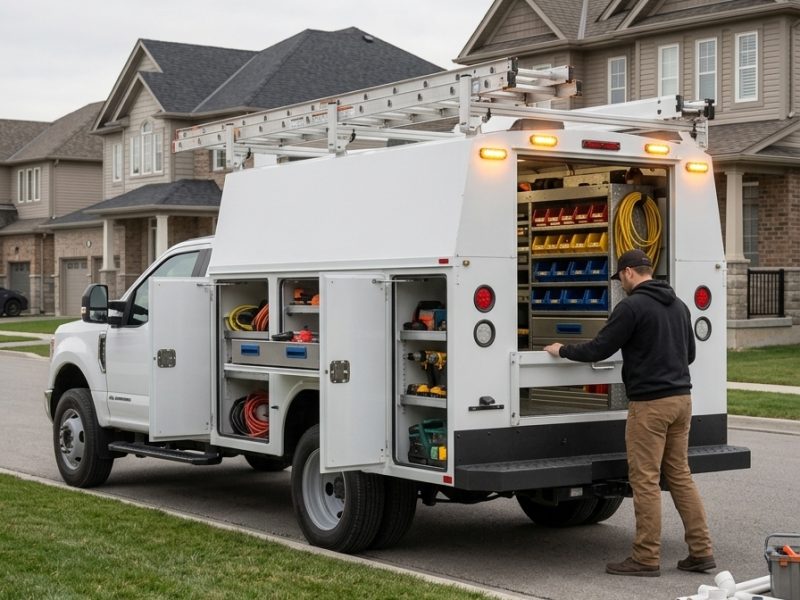
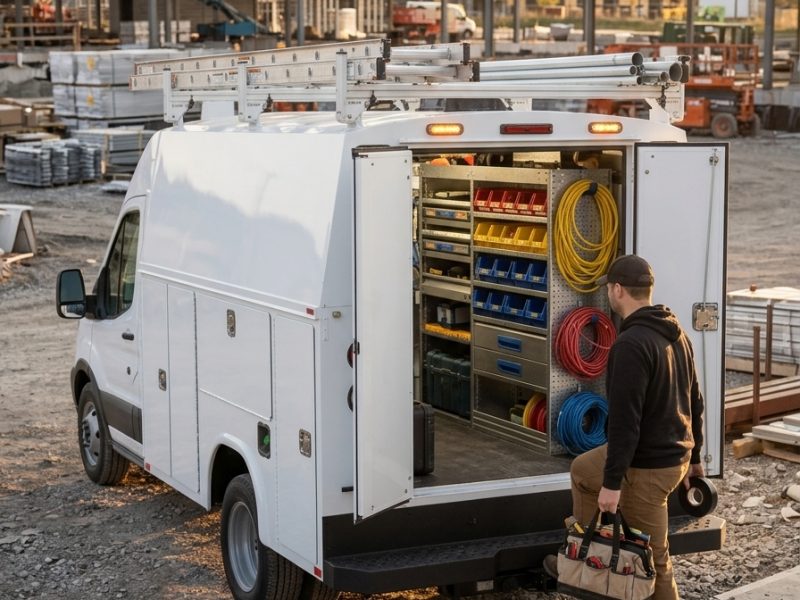
Modular aluminium shelving and sealed drawer banks rated for load and vibration.
- Load-rated aluminium shelving
- Sealed drawer banks
- Bin and parts walls
OTHER VEHICLES · BUILT FOR THE JOB
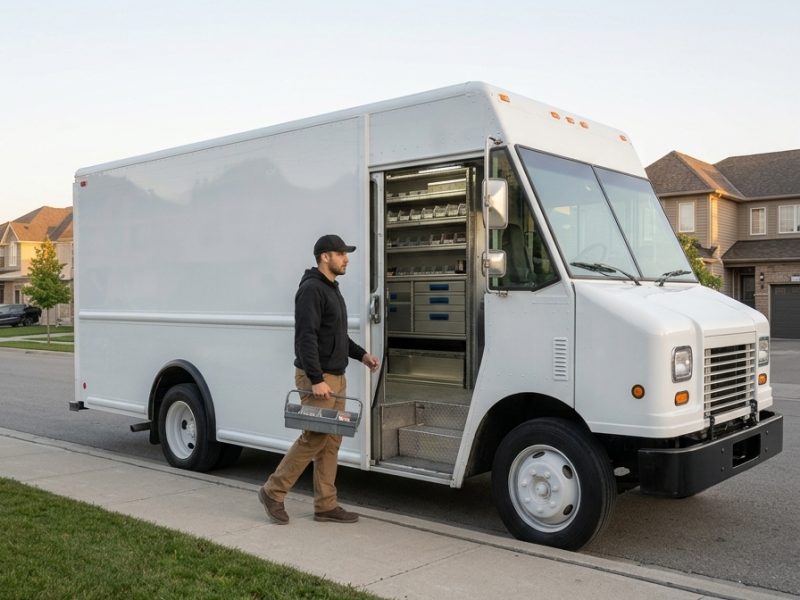
Box trucks carry the biggest loads in your lineup, so the cargo area should be planned like a workspace, not a storage room.
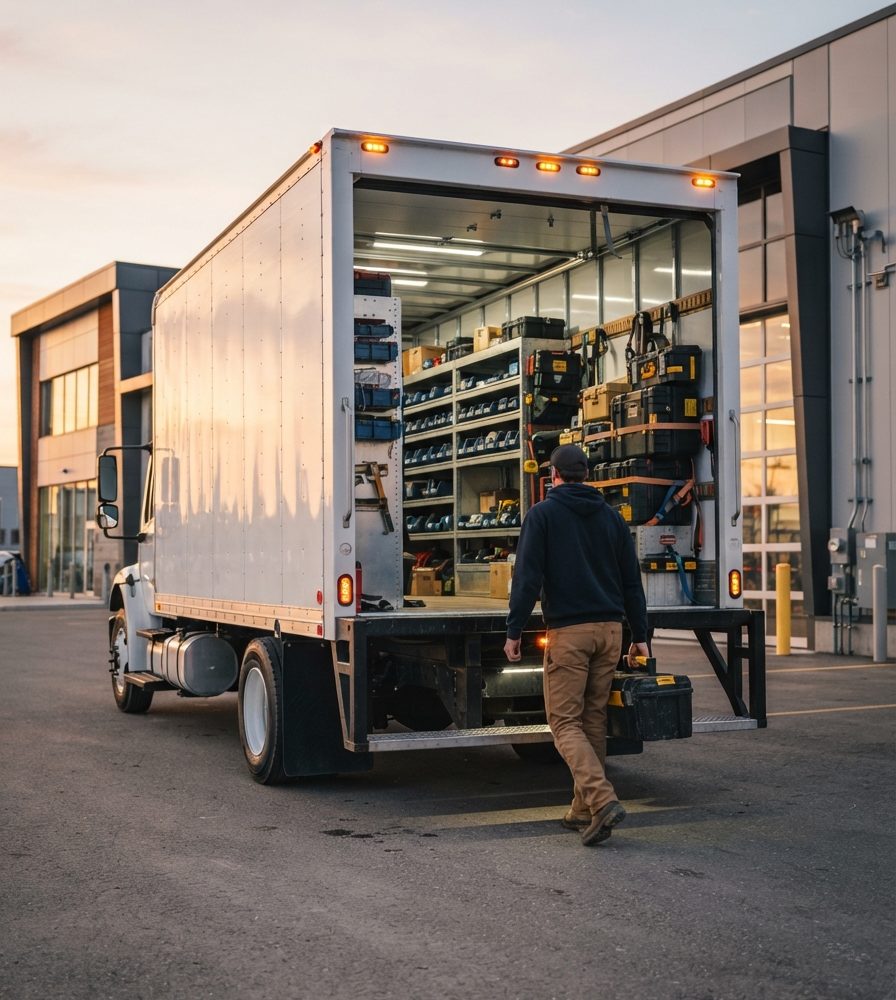
We build the box around your trade, with load-rated shelving, drawer banks, bulkheads, LED lighting and power placed where your crew needs them. Built for the Load. Built to Perform. From one delivery truck to a full fleet, we keep the box organized and the truck road-ready.
NMT Auto Service helps Oakville businesses plan box truck upfitting around how the vehicle is actually used each day. Whether the truck carries tools, materials, deliveries, or mixed cargo, NMT can connect outfitting needs with its fleet maintenance and upfitting, tire and rim work, suspension, alignment, brake, electrical, diagnostic, and aftermarket accessory services.
A box truck used for daily commercial work needs more than added equipment. Easy access to frequently used items, clear loading space, and road-ready vehicles all affect how smoothly the day runs. NMT helps you review what is already working, what gets in the way, and which vehicle-side services may need attention.
Common Projects
What we install
01
Modular aluminium shelving and sealed drawer banks rated for load and vibration.
02
Steel, mesh and composite bulkheads, fitted to your cab profile and sized to the load you carry.
03
Inverters, secondary batteries, interior LED runs and exterior work lighting.
04
Ladder and pipe racks, roof access, plus decals and full graphics applied in-house.
Financing
Not the right fit? Try a sibling
——— Let's Talk
Tell us about the job and a builder will get back to you within one business day. Prefer to talk it through? Call us direct.
(905) 845-0770670 Fourth Line, Oakville, ON · Quotes within 1 business day
Request a Consult
About NMT Outfitters
Start with the part of the workday that repeatedly costs you effort or creates unnecessary movement. Difficult cargo access, equipment that is hard to reach, unused space, repeated loading and unloading, or a vehicle concern can all point to where changes would be most useful before additional equipment is considered.
Call 905-845-0770 or contact NMT in Oakville with the vehicle details, current cargo setup, and the result you want.
Review the normal workday:
These details help you focus changes on the way the vehicle is actually used. They also make it easier to separate cargo-area needs from automotive concerns such as tires, brakes, electrical issues, suspension, steering, or alignment.
Existing equipment does not need to be replaced simply because the layout changes. Note which storage areas, access points, lighting, protection, and other equipment still support the job, then focus attention on the areas that no longer fit the work. In many cases, the right truck accessories transform an empty or underused cargo area into a more organized workspace without removing what still works.
If the vehicle has taken on a new role, review access priorities again. A setup that worked for one type of cargo or service call may need to change when the tools, materials, or frequency of stops changes, especially when drivers are repeatedly slowed during each stop by awkward access or poor organization.
A tool box truck should make frequently used equipment easy to reach without sacrificing the space needed for larger cargo or movement inside the vehicle. The right accessories can still support the job by turning empty space into more usable storage and access, while the square cargo area and flat floor help with easy loading and keeping pallets stable. Start with the tools and materials used at most stops, then place occasional-use and backup items around that priority so access follows the way the workday actually unfolds.
Group equipment by how often it is needed:
For a tool box truck, this approach helps keep the most useful items accessible while protecting space for the work that changes from day to day.
If the vehicle starts carrying different tools, materials, or equipment, update the access priorities instead of adding more storage by default. A service vehicle may need a different balance of access and open space than one that carries larger materials throughout the day.
A box trucks upfitter needs to understand the condition and configuration of the commercial vehicle as well as the cargo-area needs, and revisiting access priorities can improve flexibility when the vehicle starts carrying different tools, materials, or equipment. NMT supports that vehicle-side review with verified tire and rim services, suspension and steering work, alignments, brakes, electrical diagnosis, batteries and charging, diagnostics, fleet maintenance, and aftermarket accessories. A box truck should be reviewed as both a working cargo vehicle and an automotive system, including the chassis and how the layout affects payload.
NMT’s fleet services include tire and rim supply, installation and balancing, custom alignments, and Road Force tire and wheel diagnostics. Its automotive services also include tire repair, replacement, rotation, storage, wheel balance, and wheel alignment.
Bring current tire and wheel information along with any wear, vibration, pulling, or alignment concern you have noticed. These details help NMT review the vehicle based on its current condition and use.
NMT provides suspension and steering repair, shocks and struts, computerized alignment, and wheel alignment among its automotive services. Its fleet services also include custom suspension work, including lift and lowering kit installation.
When working with a box trucks upfitter, include existing suspension changes and steering concerns so the commercial setup reflects the vehicle you are operating.
NMT provides brake repair and inspection, electrical system diagnosis and repair, batteries and charging, and computer diagnostics.
If the vehicle has warning lights, braking concerns, charging issues, or electrical symptoms, include them when planning changes. These concerns may need automotive service even when the original reason for the visit is upfitting.
A box truck that makes repeated stops benefits from a setup that supports the same actions throughout the day. Pay attention to what is repeatedly difficult to reach, where loading or unloading becomes awkward, what equipment stays unused, and whether new vehicle concerns appear during normal operation.
Useful observations include:
Use those observations to decide what actually needs to change before adding more equipment.
When routes, cargo, tools, or responsibilities change, update the current cargo setup, access priorities, vehicle concerns, accessories, and desired result. This helps keep the vehicle useful for its current role instead of preserving a configuration designed for work it no longer performs.
Businesses with more than one commercial vehicle can compare each unit using the same practical information, including business role, cargo needs, tires, suspension changes, automotive concerns, accessories, and current upfitting. When work changes, you can choose from setup options based on current cargo, access priorities, vehicle concerns, accessories, and the desired result. The equipment itself can still differ when each vehicle performs a different job.
For each commercial vehicle, record:
NMT’s fleet services include fleet maintenance and upfitting, tire and rim supply, installation and balancing, custom alignments, custom suspension work, undercoating, Road Force tire and wheel diagnostics, and aftermarket accessories.
Vehicles that perform similar jobs can share common priorities without requiring identical equipment. Each vehicle should be reviewed according to how it is used, what it carries, and which automotive concerns are present before changes are made.
Bring enough information to show NMT Auto Service how the vehicle works during a normal day and what you want to improve. Include the current cargo setup, tools or materials carried, access concerns, existing accessories, and any tire, suspension, brake, electrical, or maintenance issues that may also need attention.
Prepare:
Use the NMT contact page to discuss the vehicle.
Yes. NMT publishes tire and wheel services, suspension and steering repair, computerized and wheel alignment, brake repair and inspection, electrical system diagnosis and repair, batteries and charging, and computer diagnostics.
A tool box truck should keep frequently used equipment easy to reach while preserving space for larger or changing cargo. Start with the items used most often, note what already works, and identify the parts of loading, unloading, or access that repeatedly slow the workday.
A box trucks upfitter should know the vehicle details, business role, current cargo setup, existing accessories, tires and wheels, suspension changes, brake or electrical concerns, and the main issue you want to solve. That information helps connect vehicle-side service needs with practical outfitting priorities.
NMT publishes fleet maintenance and upfitting plus tire and rim supply, installation and balancing, custom alignments, custom suspension work, undercoating, Road Force tire and wheel diagnostics, and aftermarket accessories.
For this commercial vehicle, provide the year, make, and model, business use, equipment carried, current cargo arrangement, access concerns, tires and wheels, suspension modifications, brake or electrical concerns, existing accessories, and the result you want. Photos can also help show how the box truck is currently used, including ways to keep cargo secure and protected from weather. These services help keep commercial vehicles running across the fleet.
The best upfitting decisions solve a problem you experience during real work, whether that is access, loading, vehicle condition, or consistency across similar commercial vehicles. NMT Auto Service supports Oakville businesses with fleet upfitting, automotive maintenance, tires and rims, alignment, suspension, brakes, electrical diagnosis, diagnostics, and aftermarket accessories.
To discuss a box truck or other commercial vehicle in Oakville, call 905-845-0770 or visit NMT contact page with the current setup, business use, and the result you want.
Etobicoke
Hamilton
Mississauga
Oakville
Mechanical Trades
Construction & Site
Grounds & Seasonal
Service & Specialty
Delivery & Logistics
Public & Emergency