

Landscape Trailer Repair in Oakville and Halton Region
A damaged ramp hinge, worn wheel bearing, or faulty signal light can bring your landscaping work to a standstill. For contractors and property owners across Oakville and the Halton Region, keeping your trailer in dependable working condition is essential for transporting equipment safely and staying productive. Addressing problems early can help prevent further damage and reduce disruptions to your schedule.
NMT Auto Service provides a local point of contact for trailer concerns involving frames, decks, brakes, bearings, wiring, lights, and hitch components. If your trailer is showing signs of wear, arrange an assessment to understand the issue and identify the appropriate repair options.
You can contact NMT Outfitters to discuss your service needs.
Common Landscape Trailer Repairs
Landscape trailer repair needs vary depending on the equipment you carry, the distances you travel, and the conditions your trailer encounters. Identifying the source of a problem helps determine the next steps and keeps minor concerns from becoming more disruptive.
Frame, Deck, and Ramp Damage
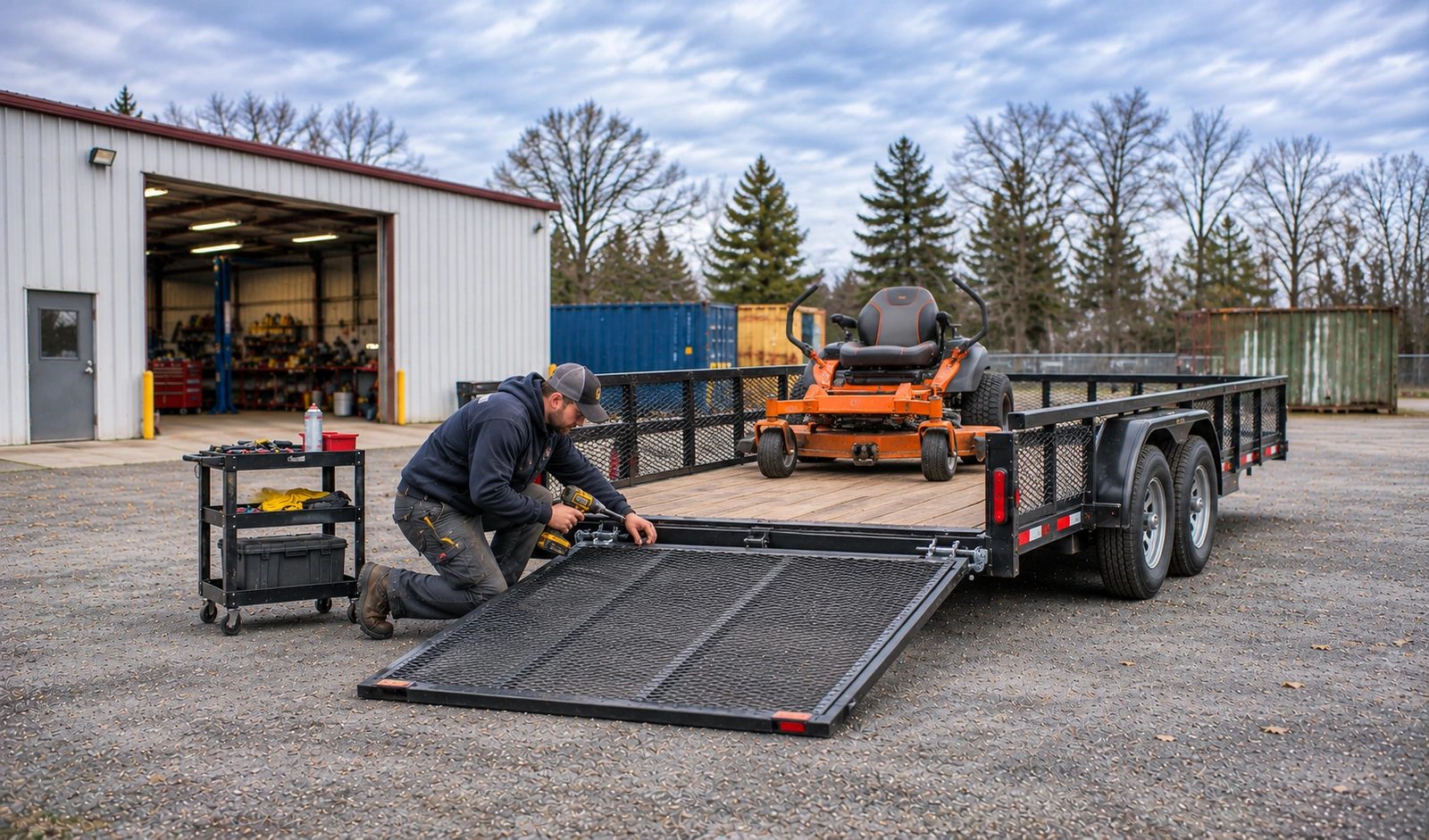
Frequent loading, road vibration, moisture, and road salt can affect a trailer’s frame, deck, and ramps. Cracked welds, bent sections, corrosion, loose boards, damaged mesh, and worn ramp hinges deserve attention. A ramp that sticks or shifts unexpectedly can make loading equipment more difficult and potentially unsafe.
Landscape trailer repair assessments may involve examining structural damage, repairing compromised sections where appropriate, replacing damaged decking, and addressing worn ramp hardware. The recommended work depends on the trailer’s overall condition. Have visible damage assessed before continuing to transport heavy landscaping equipment.
Axles, Suspension, Bearings, and Tires
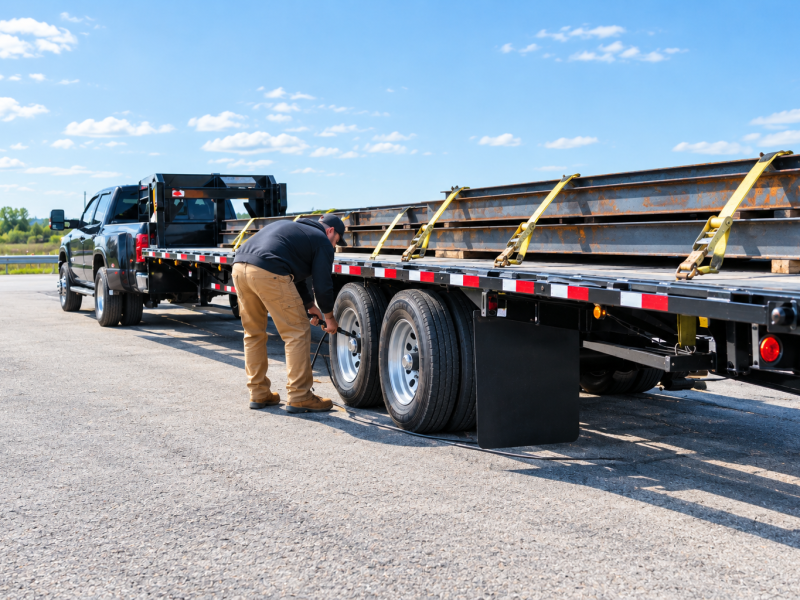
Wheel bearings, hubs, leaf springs, shackles, and axles help support your load and maintain stable towing. Grinding noises, overheating hubs, uneven tire wear, or poor tracking can indicate developing problems. Overloading and impacts can also damage suspension components.
A professional assessment can help identify worn or damaged parts and determine which repairs are necessary. Check tire pressure when the tires are cold, inspect for visible damage, and keep loads within the manufacturer’s rated capacity. Addressing unusual handling early can help protect your equipment and reduce the risk of a roadside interruption.
Brake System Repairs
Reliable braking is essential when towing a loaded landscape trailer. Worn brake shoes or pads, damaged drums, faulty magnets, and breakaway system issues can affect stopping performance and vehicle control.
If you notice weak braking, grabbing, or unusual noises, arrange an inspection rather than continuing to tow with a potentially unsafe system. For additional guidance, read NMT’s article on brake system inspections.
Wiring, Lights, Couplers, and Safety Chains
Faulty signal lights, corroded plugs, damaged wiring, and poor ground connections can compromise visibility and towing safety. An assessment may involve tracing electrical circuits, checking connectors, and inspecting lamp housings before determining the necessary repairs.
The coupler latch, hitch connection, jack, and safety chains also require attention. Damaged or incompatible components can undermine the security of your towing setup. Have questionable connections inspected before your next trip.
Landscape Trailer Maintenance: Protect Your Investment
Consistent landscape trailer maintenance helps you identify wear before it interferes with your work. Before each trip, inspect the lights, tires, coupler, safety chains, and visible frame or deck damage. Listen for unfamiliar noises and watch for changes in handling or braking.
Landscape trailer maintenance should also include periodic checks of bearings, brakes, suspension, fasteners, and wiring. Remove dirt and road salt from the frame and undercarriage, and lubricate moving parts according to the manufacturer’s instructions. After a busy season, check for corrosion, cracks, worn decking, and damage caused by heavy loads.
Although maintenance cannot prevent every failure, it can help uncover developing problems sooner. If an issue affects braking, lighting, structural integrity, or towing security, stop using the trailer until it has been assessed.
What to Expect From a Repair Assessment
When contacting NMT Auto Service, describe the symptoms you have noticed, whether that means uneven tire wear, flickering lights, unusual noises, or a sticking ramp. Remove loose tools and debris, and unload heavy equipment where possible. If the concern involves the tow vehicle’s connector, brake controller, or hitch, explain this when arranging your assessment.
The assessment should help identify visible concerns and clarify the repairs that may be appropriate. Ask questions about the findings and whether additional inspection is necessary before approving the work.
Choosing a repair provider gives you an opportunity to address specific concerns instead of continuing to operate with uncertain equipment. For information about the available options, visit NMT’s service and repair page.
Frequently Asked Questions
1. How Often Should I Inspect a Landscape Trailer?
Check key safety components before every trip, particularly the lights, tires, coupler, and safety chains. Arrange periodic professional inspections of brakes, bearings, and suspension according to usage and manufacturer recommendations.
2. What Signs Mean My Trailer Needs Repair?
Warning signs include grinding noises, uneven tire wear, trailer sway, weak brakes, faulty lights, cracked deck boards, severe rust, and damaged ramp hinges. Stop towing if a problem could affect safe operation.
3. Can Damaged Trailer Wiring Be Repaired?
Electrical faults can often be investigated by checking connectors, grounds, wiring, and lamp housings. The appropriate repair depends on the location of the fault and the condition of the surrounding components.
4. What Does Landscape Trailers Repair Usually Cover?
Landscape trailer repair may address structural damage, decking, ramps, axles, suspension, bearings, brakes, wiring, lights, couplers, and safety chains. The required work depends on the trailer’s condition and assessment findings.
5. Why Is Trailer Maintenance Important?
Landscape trailer maintenance helps identify wear, corrosion, and potential safety issues before they become more serious. Regular checks are particularly valuable for trailers carrying heavy equipment or travelling frequently.
Contact NMT Auto Service
Do not let trailer damage disrupt your next landscaping job. Contact NMT Auto Service at (905) 845-0770 to discuss your trailer concerns and arrange an assessment. Taking action now can help you address problems before they cause further disruption.