Specialty Trailer Repair in Oakville and the Halton Region
Brake problems, damaged couplers, faulty lights, and worn wheel bearings can turn a routine towing trip into a serious safety concern. When your trailer needs attention, choosing the right service provider can help you address faults before they lead to further damage. NMT Auto Service in Oakville can discuss assessment options for eligible specialty trailer types, helping you determine the next steps towards safer, more reliable towing.
Whether you use a trailer for commercial equipment, landscaping, transportation, or recreation, dependable performance matters. Prompt specialty trailer repairs can help address problems that affect roadworthiness, while regular inspections can reveal developing concerns. Contact NMT Auto Service to discuss your trailer, describe the issue, and confirm whether it is suitable for assessment. Get in touch through the NMT Outfitters contact page to start the conversation.
Common Specialty Trailer Repair Needs
Brake, Axle, and Suspension Problems
Your trailer’s braking and suspension systems play an important role in stability, control, and safe stopping. Worn brake components, damaged leaf springs, loose shackles, or axle problems can affect towing performance, particularly when carrying heavy loads.
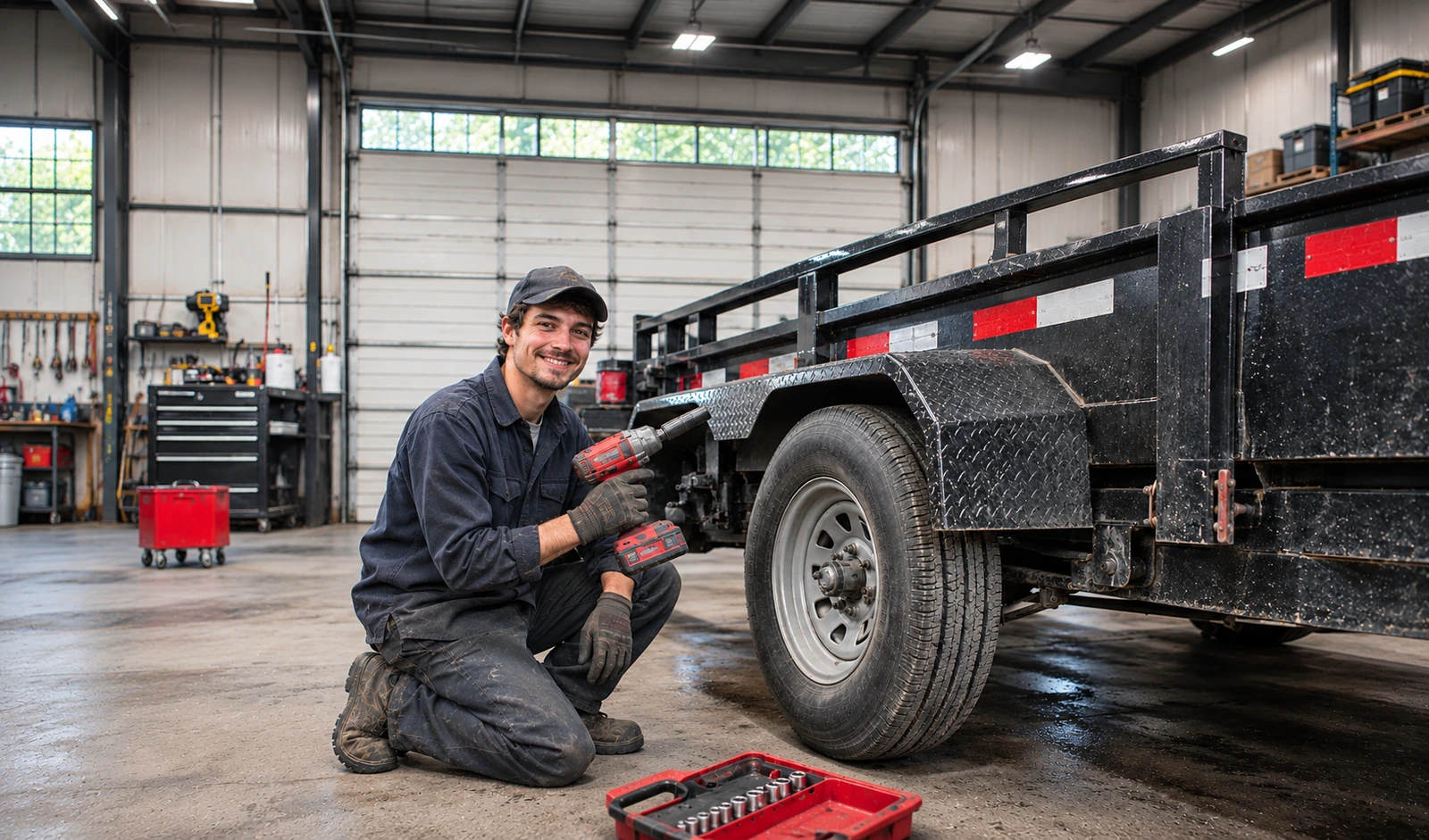
Specialty trailer repairs may involve assessing electric or surge brakes, suspension components, wheel bearings, and related hardware. Unusual noises, excessive wheel movement, or overheating around the wheel assembly should never be ignored. Identifying the underlying problem helps determine which components require attention rather than relying on a quick fix.
If your trailer handles differently than usual or develops braking problems, arrange an assessment before continuing to tow. Addressing concerns promptly can help prevent additional wear and reduce the risk of a minor fault becoming a more extensive repair.
Electrical and Lighting Faults
Working lights and reliable electrical connections are essential for visibility and safe road use. Flickering indicators, failed brake lights, and intermittent connections may point to damaged wiring, corroded connectors, poor grounding, or a faulty plug.
Specialty trailer repairs involving electrical faults should begin with identifying the source of the problem. Replacing a bulb will not resolve damaged wiring, and an unreliable connection may affect multiple lighting functions. Moisture, road salt, and regular exposure to the elements can also contribute to corrosion.
If your trailer’s lights are unreliable, have the issue assessed before towing. Resolving electrical concerns helps you address potential safety problems and restore dependable operation.
Frame, Tongue, and Coupler Damage
Structural damage requires careful attention. Bent tongues, cracked frame sections, corroded crossmembers, damaged couplers, and compromised safety-chain mounts can affect the connection between your vehicle and trailer.
Not every damaged component can be repaired safely. The appropriate solution depends on the location, severity, and extent of the damage. A professional assessment can help establish whether a repair is appropriate or whether the trailer should remain out of service.
Avoid towing a trailer with suspected structural damage until its condition has been assessed. Prioritizing safety can help protect your equipment, cargo, and other road users.
Wheels, Tires, and Running Gear
Uneven tire wear, visible cracking, damaged wheels, and bearing noise can indicate problems beyond the tires themselves. Suspension wear, alignment issues, and wheel-end faults may contribute to these symptoms.
A thorough assessment considers how connected components work together. If you notice unusual vibration, excessive heat, or changes in handling, stop using the trailer when it may be unsafe and arrange an inspection.
Specialty Trailer Servicing and Preventive Care
Repairs address existing problems, while specialty trailer servicing can help identify developing concerns before they become more disruptive. Regular checks are particularly valuable for contractors, fleet operators, and recreational owners who depend on their trailers throughout the year.
Before towing, check tire condition and pressure, lights, brakes, the coupler, safety chains, visible wiring, doors, and hinges. After prolonged storage or heavy use, look for corrosion, loose hardware, seized components, and uneven wear.
Your maintenance needs will depend on loading frequency, road conditions, storage, and the trailer’s design. These checks are useful but do not replace a professional assessment when unusual noises, poor braking, electrical faults, or loose handling develop.
For work trailers, unexpected breakdowns can interfere with equipment transport and daily operations. Arranging specialty trailer repairs when problems first appear can help limit further damage and avoid continued use of unsafe components.
NMT Outfitters also provides information about its vehicle-related offerings through its service and repairs page. Contact the team to clarify whether your trailer’s specific repair requirements can be accommodated.
Types of Trailers That May Need Repairs
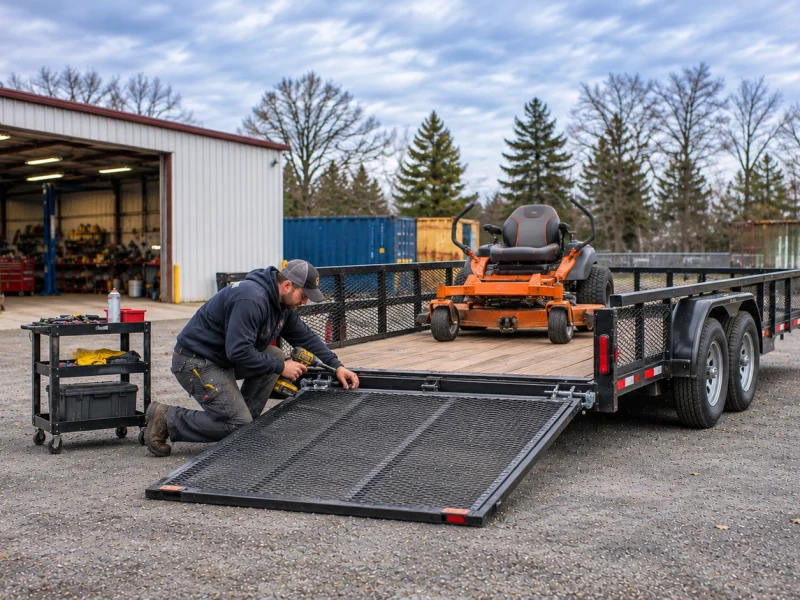
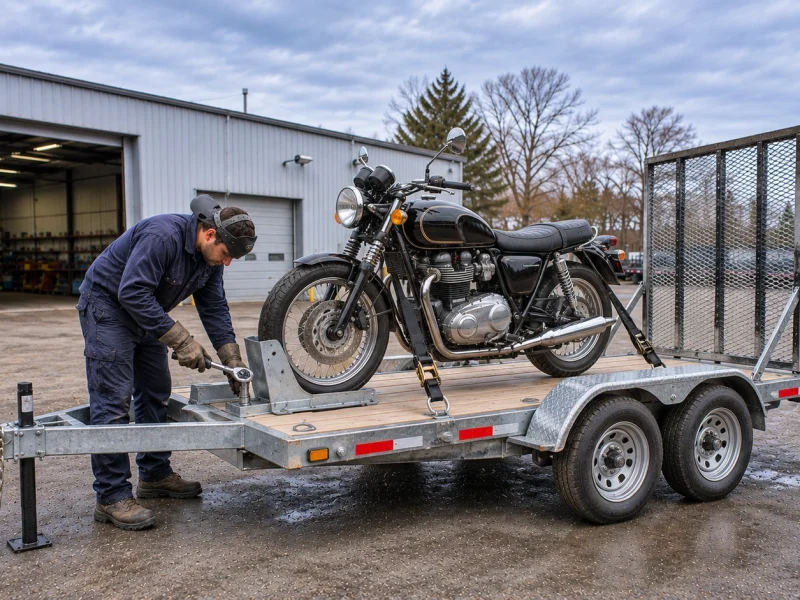
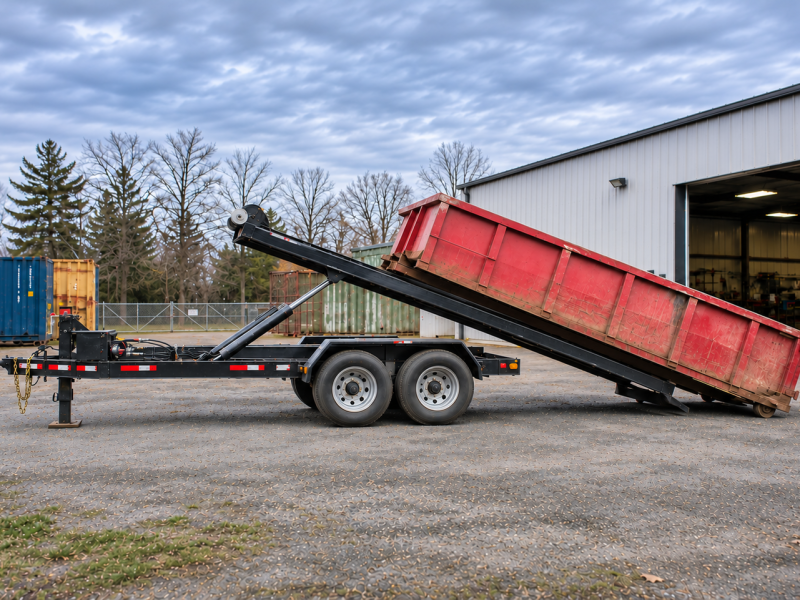
Different trailer designs present different maintenance challenges. Enclosed cargo trailers, landscaping trailers, utility trailers, equipment haulers, car haulers, boat trailers, campers, and toy haulers can all develop issues involving brakes, tires, lighting, suspension, or structural components.
The trailer’s size, construction, and mechanical systems influence which repairs are suitable. Some specialized or larger units may not be appropriate for every facility, so confirm suitability before arranging a visit.
If you are also researching trailer configurations, the NMT Outfitters trailer information page provides an overview of trailer-related offerings. For an existing trailer with a fault, explain the problem clearly when contacting the shop so the team can discuss the appropriate next step.
Frequently Asked Questions
1. What Trailer Problems Can Be Assessed?
Common concerns include brake faults, lighting problems, damaged wiring, worn bearings, suspension issues, tire damage, and structural concerns. Repair suitability depends on the trailer and the extent of the damage.
2. Can I Tow My Trailer if Its Lights or Brakes Are Not Working Properly?
Do not tow a trailer if a safety-critical fault makes it unsafe or non-compliant for road use. Arrange an assessment and have the problem addressed before returning the trailer to service.
3. How Can I Recognize a Wheel Bearing or Suspension Problem?
Unusual noise, excess wheel movement, overheating, uneven tire wear, and changes in handling may indicate a fault. Stop using the trailer if you suspect a serious wheel-end or suspension problem.
4. What Does Specialty Trailer Servicing Involve?
Specialty trailer servicing may include checking tire condition, brakes, lights, wiring, couplers, safety chains, hinges, and visible suspension components. The appropriate checks depend on the trailer’s design, use, and storage conditions.
5. Does NMT Auto Service Repair Every Type of Specialty Trailer?
Not necessarily. Trailer size, construction, and the systems involved can affect whether a unit is suitable for assessment. Contact the shop with your trailer’s details and the symptoms you have noticed.
Arrange an Assessment for Your Trailer
Don’t let an unresolved fault compromise your next journey or interrupt your work. Timely specialty trailer repairs can address problems affecting safe operation, while consistent specialty trailer servicing helps you identify potential concerns before they worsen.
NMT Auto Service serves customers from surrounding communities, including Burlington and Milton. Contact the team to describe your trailer, discuss the issue, and confirm whether an assessment can be arranged.